A harbour is not a view
The difference between a working waterfront and a scenic one is measured in jobs, and the transition only runs one way.
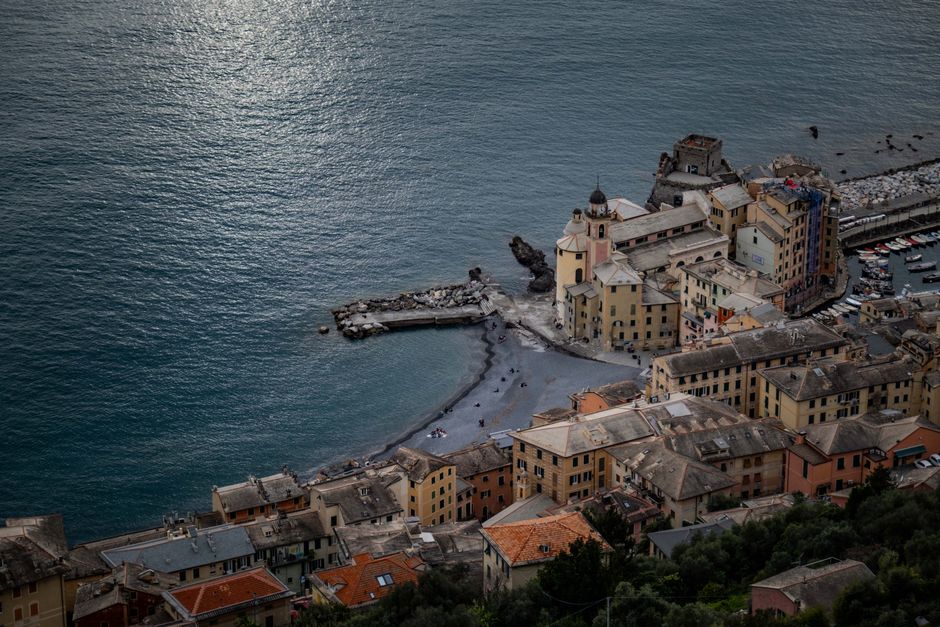
Access is the whole question
A working harbour needs places to land catch, store gear, fuel, repair and park a truck. Each of these takes waterfront space, and waterfront space is the most valuable land in town. Once a single link in that chain is converted to housing or hospitality, the rest becomes harder to sustain.
The economics are seasonal and thin
Fishing and marine trades have good years and bad ones, and the bad ones arrive without warning. Businesses that survive do so by being diversified or by owning their premises, which is precisely what rising property values make impossible for newcomers.
Tourism is not a replacement
Visitors come to see a working harbour. A harbour that has stopped working is a marina with a view, and it draws a different, smaller and more price-sensitive crowd. The thing being sold is destroyed by selling it.
Succession is the quiet crisis
The average age in most marine trades keeps rising, and the barrier for a young entrant — boat, licence, gear, mooring — has grown faster than the earnings. A harbour can look busy and have no one under forty in it.
Zoning decides it years ahead
Whether a waterfront still works in fifteen years is determined by what current zoning permits, and those decisions are made in sparsely attended meetings about technical documents. By the time the consequence is visible on the water, the decision is a decade old.