What holds a small town together
Towns do not decline dramatically. They decline through a sequence of reasonable decisions, each defensible on its own.
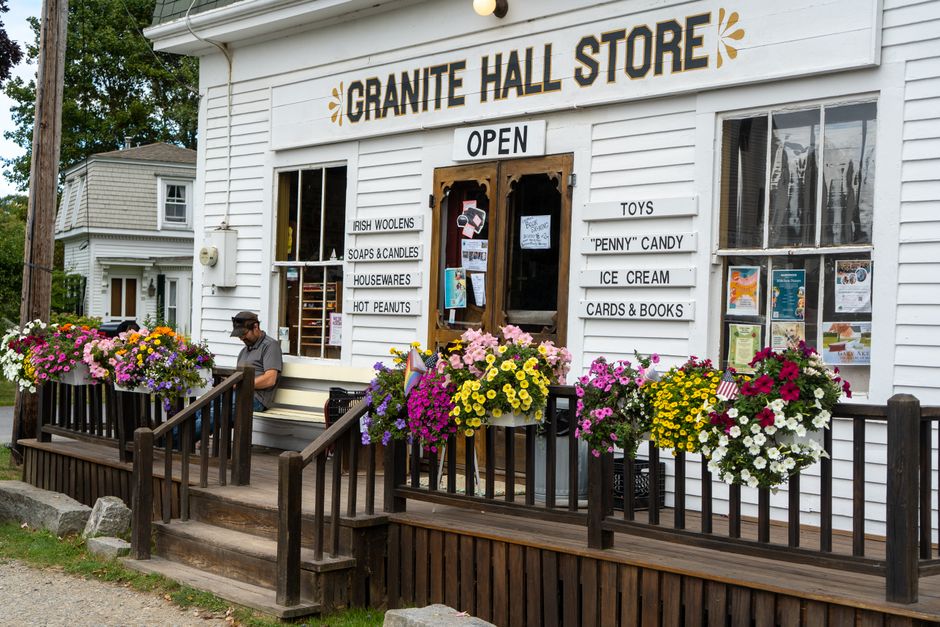
A storefront stays empty one more season. A committee loses the two people who did most of the work. A parking rule changes and the foot traffic moves two streets over. None of it makes the news, and together it decides whether a place is still somewhere people choose to be in ten years.
These pages are about that slow arithmetic — written from and about coastal New England, where the pattern is unusually visible because the economy sits on a few narrow legs.
The recurring lesson: almost every problem a small town has is a problem of maintenance, not of vision. The vision usually exists. The person who was going to do the work moved away.
Sections
Main Street is about what keeps a commercial street alive. Harbour covers the working waterfront and what happens when it stops being one. Volunteering is about the unpaid labour everything else rests on.
Why this is written down
Because the knowledge is almost entirely oral, and it leaves when people do. Every small town contains someone who knows exactly why the Tuesday market failed in 2019 and what would have to change for it to work — and that knowledge has never been written anywhere.